
Views: 16 Author: Site Editor Publish Time: 2025-11-10 Origin: Site
In residential shower spaces, maintaining consistent comfort across seasons and colorways is a subtle yet essential engineering challenge. A precisely designed shower room floor drain defines how users perceive temperature, tactile feedback, and acoustic balance. By analyzing manufacturing specifications and process control, this article explores how engineering precision translates into everyday comfort reliability.
Learn more about engineered drainsThe shower room floor drain acts as the intersection of tactile comfort, drainage efficiency, and installation accuracy. Within residential programs, it prevents water pooling and ensures stable warmth, texture, and noise control. Engineering teams define these accessories through measurable parameters—SUS304 stainless steel composition, slope tolerance, and anti-slip surface quality—to sustain uniform comfort.
Material specifications often include corrosion-resistant finishes and CNC-machined outlets with ±0.2 mm tolerance. These ensure identical flow rates and tactile feel across batches and finishes. Salt spray testing (≥48 hours) verifies corrosion resistance in humid conditions.
Each product typically undergoes more than 20,000 water-flow cycles to verify long-term sealing and drainage performance.
Explore official product specification sheets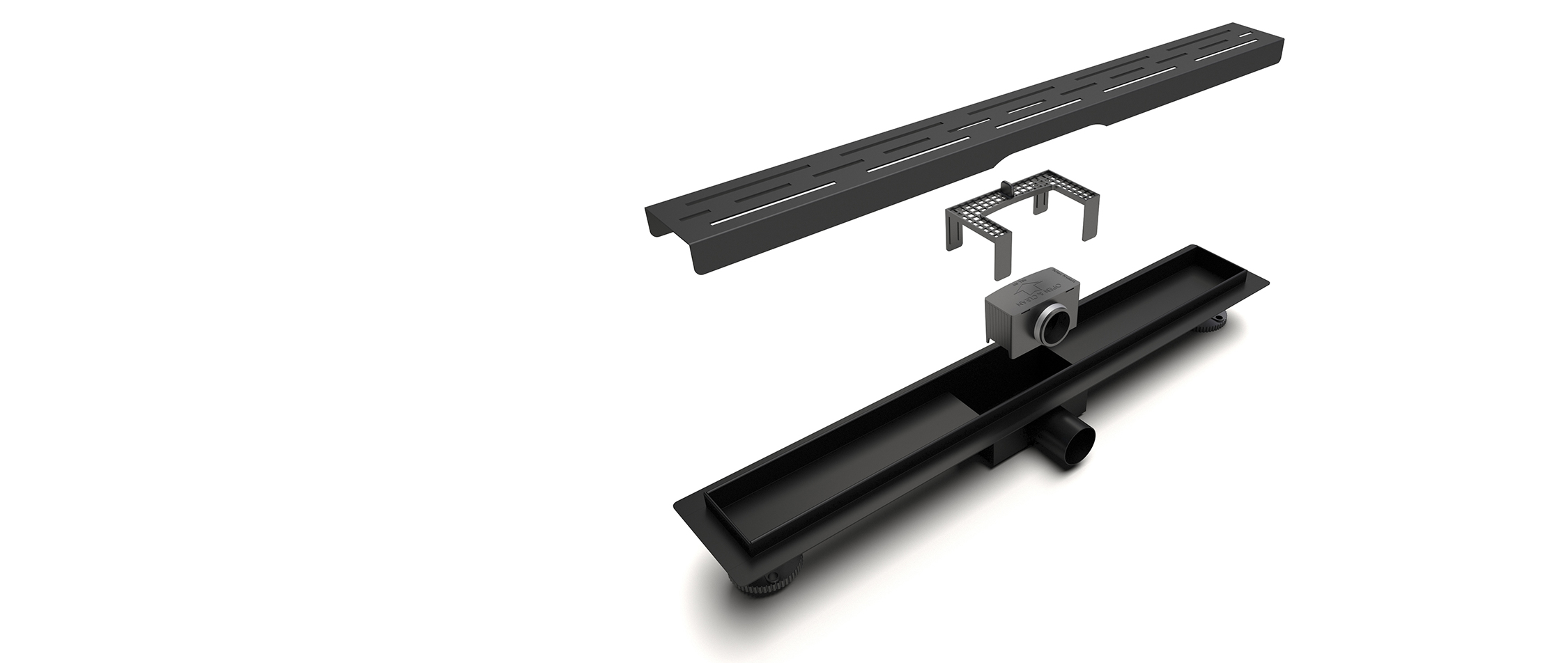
In residential bathrooms, stainless steel drains are concealed under large tiles for aesthetics and hygiene. Anti-rust surfaces and uniform slot geometry minimize mold buildup while ensuring smooth drainage.
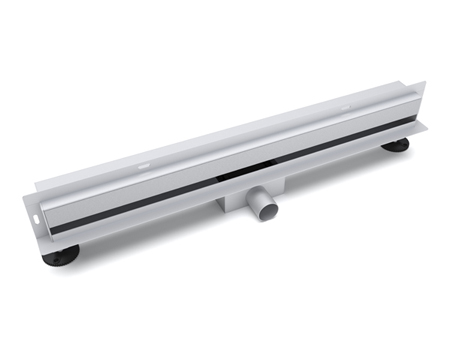
In hotel bathrooms, wall-mounted drains keep flooring seamless and improve cleaning efficiency. Sound-absorbing gaskets and precision welding enhance acoustic comfort for a quiet flow experience.
Installers typically use leveling tools to ensure proper slope, preventing water retention and uneven foot feel. Spa and wellness projects prefer brushed finishes for visual warmth and slip resistance.
See how invisible drains enhance modern designThermal and tactile stability: Brushed SUS304 and balanced slope ensure comfortable temperature year-round.
Corrosion and hygiene control: Passivated stainless surfaces resist buildup and maintain brightness after repeated cleaning.
Acoustic dampening: Integrated gaskets reduce metallic resonance for consistent quiet flow.
Ease of maintenance: Modular grates allow quick removal for inspection without disturbing tile layout.
Technicians verify sealing and alignment before final approval to guarantee waterproof consistency.
Compared with traditional plastic or cast-iron drains, modern stainless steel models deliver smoother surfaces and tighter tolerances. CNC finishing replaces manual polishing, enhancing uniformity in texture and appearance. Reinforced subframes and anti-deformation treatments prevent thermal distortion or pooling.
SUS316 drains are often preferred in coastal or spa environments for extended corrosion resistance and visual consistency.
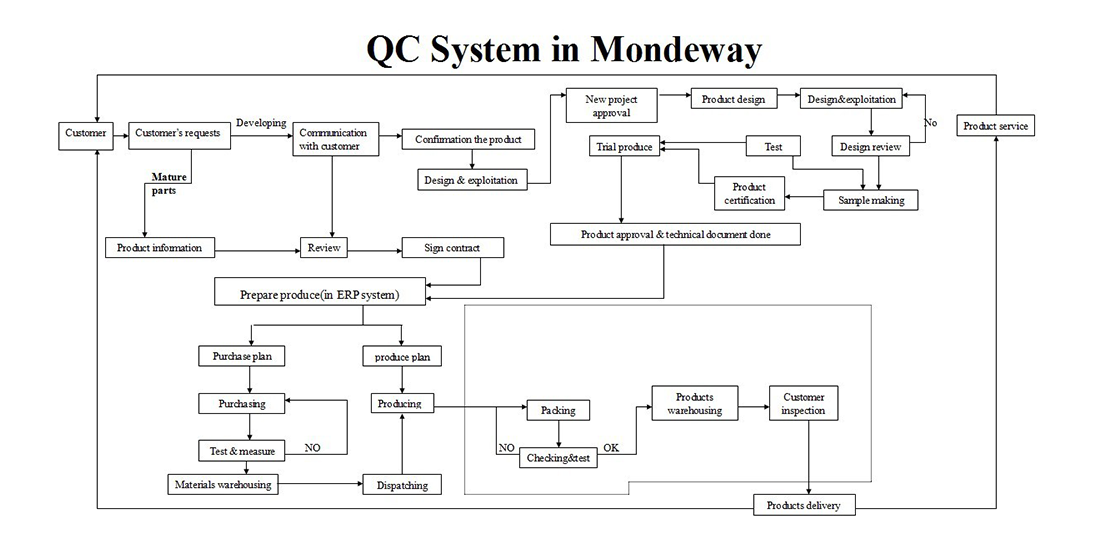
Every production batch undergoes dimensional verification, surface brushing, and load tests. Welding precision (±0.3 mm) is validated via ultrasonic inspection to prevent leakage or tactile irregularities. Salt-spray and load simulations ensure long-term performance stability.
Long-lasting materials minimize replacements and support recyclable manufacturing for reduced environmental impact.
Automated production maintains ±0.2 mm repeatability, ensuring identical tactile response across programs.
Standardized spec sheets link OEM engineers and buyers, providing traceable data on performance metrics.
Q1: How do shower drains improve comfort consistency?
They regulate tactile temperature, smooth drainage, and sound levels, ensuring identical shower experiences.
Q2: Which materials are most reliable?
SUS304 stainless steel for general use; SUS316 for coastal or spa environments.
Q3: How often should maintenance be done?
Biannual cleaning and gasket checks sustain waterproof and tactile stability.
Q4: Can drains be customized for tile depth?
Yes. OEM options allow grate height and outlet offset adjustments.
Q5: How is noise minimized?
Silicone gaskets and balanced internal geometry reduce resonance and vibration.
Comfort consistency begins with measurable precision. Through standardized manufacturing and testing, modern shower drains transform everyday comfort into engineered reliability.
Discover Project Applications


