Precision-Welded Linear Systems: The Hub of High-Flow Siphonics
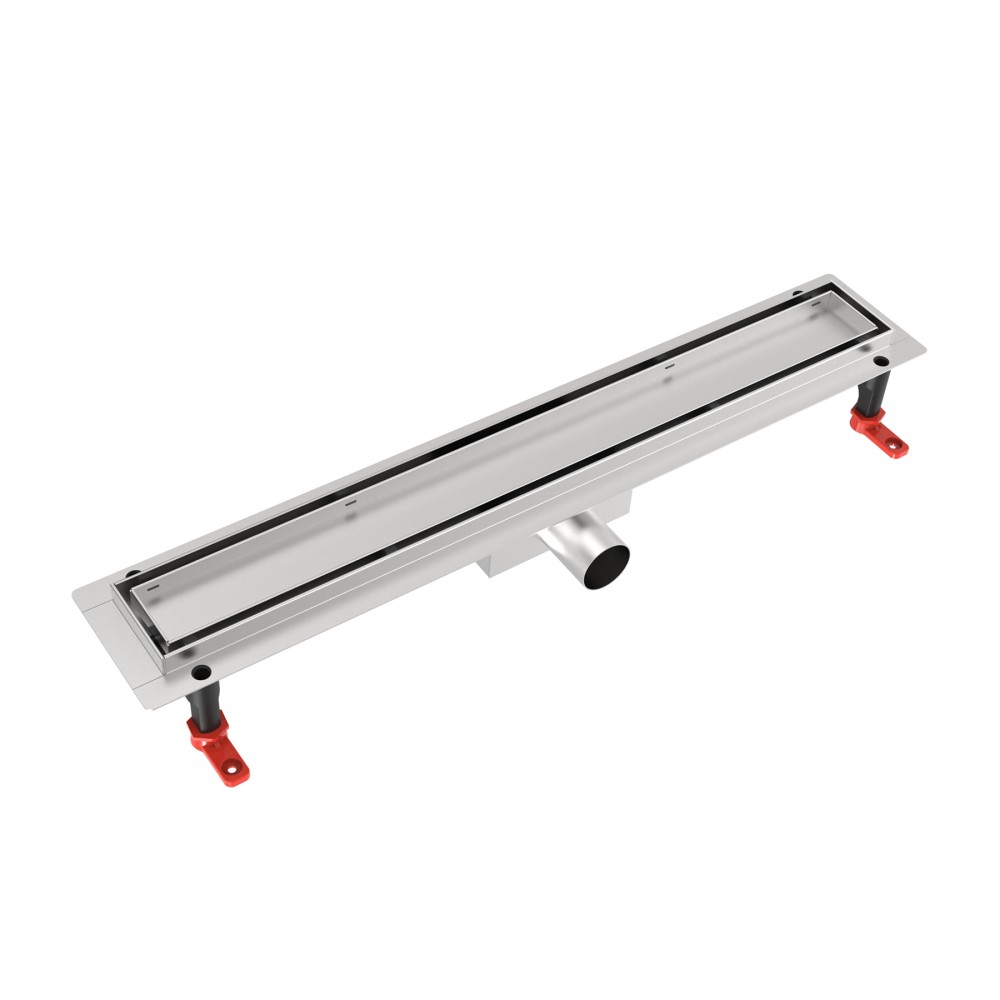
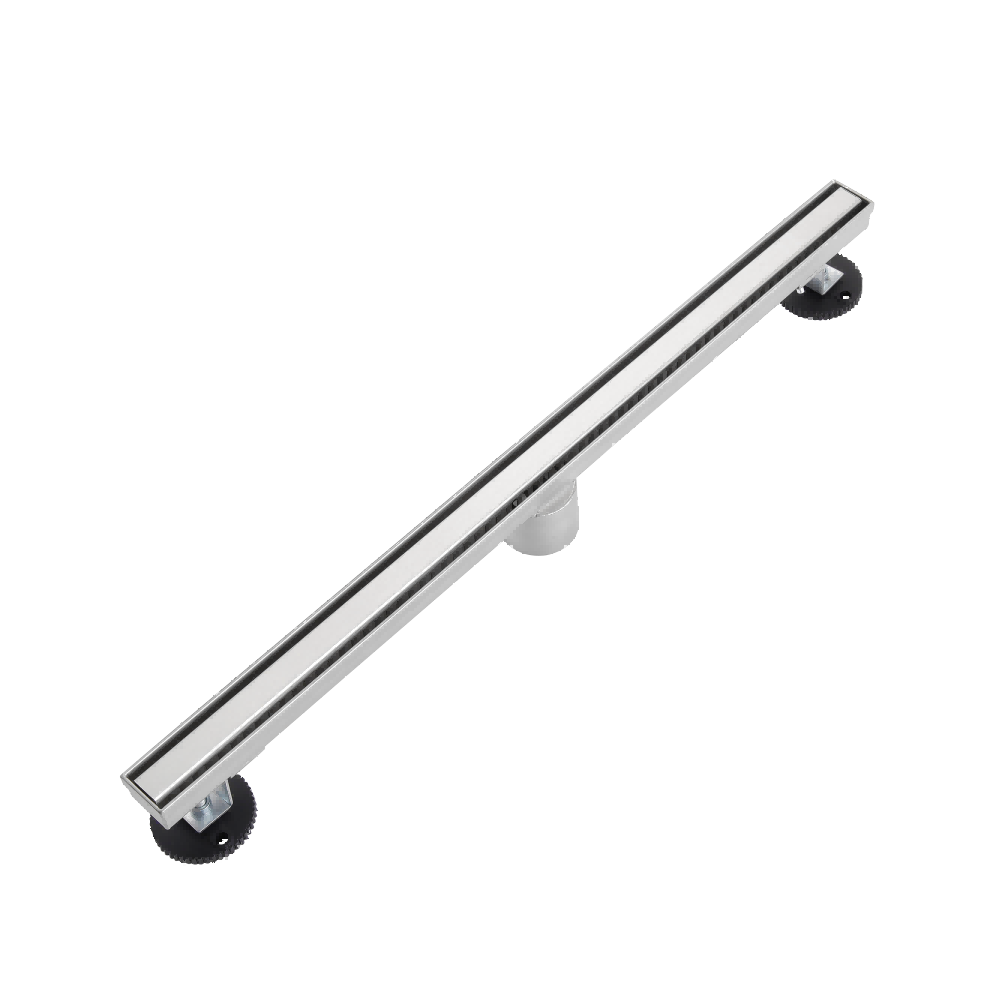
Architectural grade SUS304 linear drains engineered for high-density hospitality projects. Mondeway modular systems eliminate on-site pooling with proprietary 360° rotatable siphons and factory-tested mechanical seals.
Modular Engineering SKU Matrix
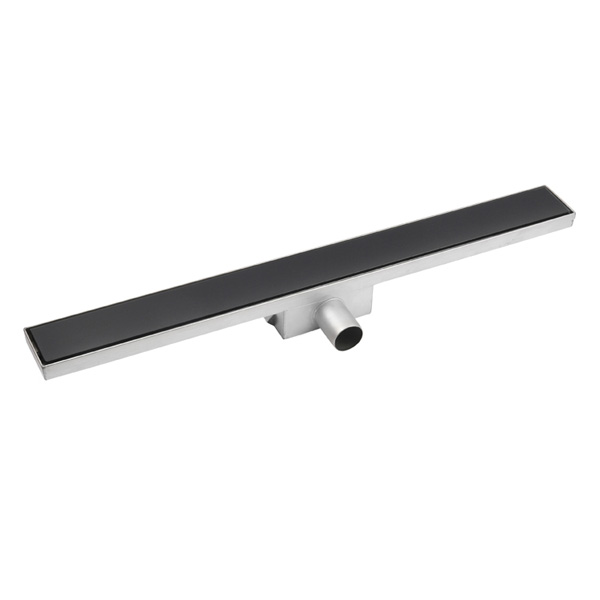
Series A9B
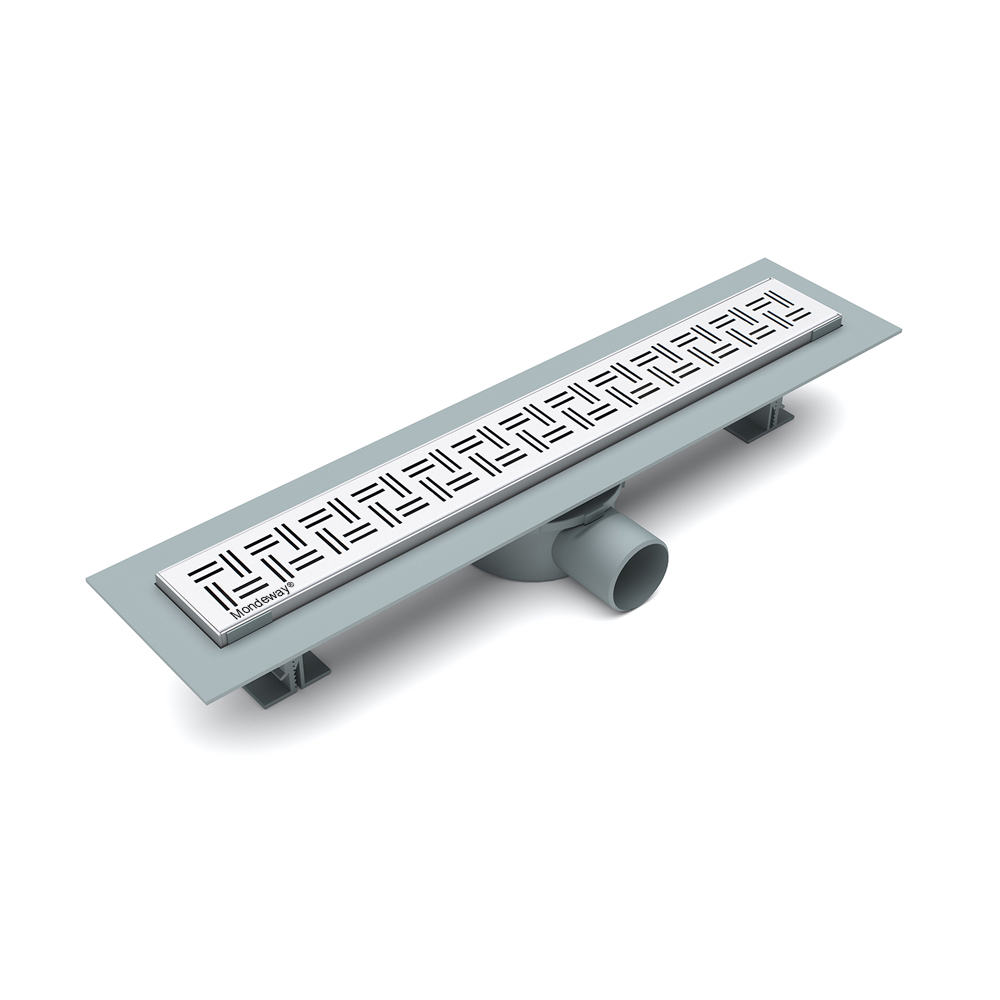
Low-Profile Matte Black Hub
Series D8L
Ultra-Slim Mirror Polished
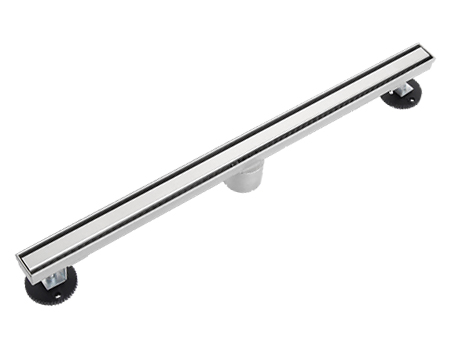
Series F9
High-Impact ABS Hybrid Base
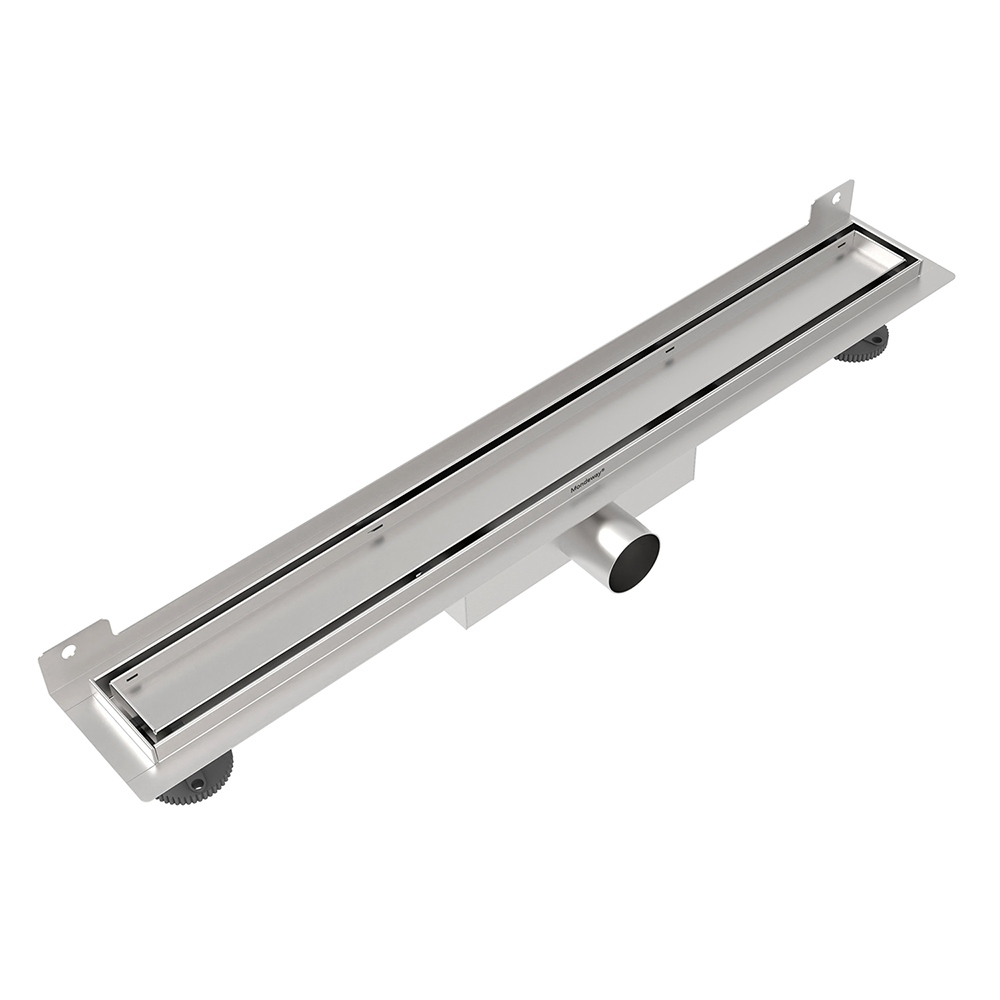
Series C2
Vertical Recessed Wall-Drain
Project Efficiency Performance
Plumbing Installation Speed (Prefab Pods)+45%
Joint Sealing Integrity (CASS 48H)100%
Horizontal Discharge Velocity48L/min
Solving 'Pooling' Liability
Poorly engineered linear drains are the primary cause of hotel floor damage. Mondeway internal siphons utilize gravitational pull to clear surface tension 30% faster than standard stamped drains.
Intent: Optimized for project managers seeking zero-tariff Malaysia manufacturing for North American multi-family builds.
98 %
Recurrence Rate
B2B Supply Assurance
98% of our initial hotel contract partners scale up to exclusive multi-year supply agreements. By integrating Yuyao HQ's engineering with Malaysian automated SUS304 fabrication, we secure your building's wet-room lifespan against stagnant water corrosion.
Linear Drain selection questions buyers ask before specifying a project
High-quality linear drain solutions are often specified when projects demand efficient shower room drainage, clean visual lines, and predictable performance under continuous moisture exposure. For procurement teams, installers, and designers, the challenge is rarely about finding a linear drain, but about choosing one that matches flow demand, installation constraints, and long-term maintenance expectations without creating downstream risks.
The following buyer-focused questions reflect common decision points seen in hotel bathrooms, residential renovations, and commercial shower rooms where linear drain systems are selected as part of a complete wet-area drainage strategy.
How does a linear drain differ from a standard point drain in real shower use?
Linear drains collect water along a continuous edge, reducing localized pooling compared to point drains.
Unlike point drains that rely on a single collection point, a linear drain spans a longer opening, allowing surface water to enter along its entire length. In shower areas with large-format tiles or minimal slopes, this geometry helps control surface water more evenly. The result is typically faster visible drainage and fewer puddles near walls or glass panels, provided the outlet size and trap design are correctly matched to flow demand.
For buyers, the key distinction is not aesthetics alone but how the linear format interacts with floor gradients, waterproofing layers, and daily cleaning routines.
What flow capacity should be considered when specifying a linear drain?
Flow capacity must be evaluated against shower head output, simultaneous water sources, and peak usage scenarios. In residential bathrooms, a single rain shower may already approach the limits of undersized drains, while hotel or gym showers experience repeated high-flow cycles.
Buyers should verify that the linear drain body, outlet diameter, and internal channel geometry support the required flow rate without backing up. This is typically validated through flow rate testing under standards such as EN 1253, which assess drainage performance under controlled conditions similar to real shower use.
How important is outlet orientation in linear drain installation?
Outlet orientation determines how easily the drain connects to existing plumbing and how much vertical space is required. Horizontal outlet linear drains are often used in renovation projects with limited floor depth, while vertical outlet designs suit new builds where slab penetration is planned.
Selecting the wrong outlet orientation can force installers to compromise slope or trap depth, increasing the risk of slow drainage or odor issues later. Matching the drain configuration to site conditions early reduces rework and inspection delays.
What role does material choice play in linear drain durability?
Most project-specified linear drains are manufactured from stainless steel due to its corrosion resistance in humid, chemically active bathroom environments. Surface finish quality influences how well the drain resists staining, scratching, and long-term discoloration from cleaning agents.
From a buyer’s perspective, consistent material grade and surface treatment across batches are as critical as the base alloy, particularly in multi-unit projects where visual consistency affects final acceptance.
How can clogging risk be managed without increasing maintenance effort?
Hair and soap residue are unavoidable in shower environments, but internal channel design and removable strainers help manage accumulation. Linear drains designed with accessible covers allow routine cleaning without specialized tools.
For facility managers, this balance between anti-clog performance and easy access often determines whether a linear drain remains a low-maintenance component or becomes a recurring service issue.
Are linear drains suitable for both residential and commercial projects?
Linear drains are used in both settings, but specifications differ. Residential applications prioritize compact size and aesthetic integration, while commercial environments demand higher flow margins, reinforced grates, and predictable performance under frequent use.
Buyers should avoid assuming that a visually similar product performs identically across use cases. Matching expected usage frequency to the drain’s tested performance is essential.
What installation details most often affect long-term performance?
Waterproofing integration is one of the most sensitive aspects of linear drain installation. The drain flange must align correctly with membranes and tile build-up to prevent hidden leaks.
Inconsistent tile thickness, insufficient slope toward the channel, or improper sealing around the drain body can undermine even a well-designed product. Clear installation guidance and dimensional accuracy reduce these risks.
How are linear drains evaluated against industry testing standards?
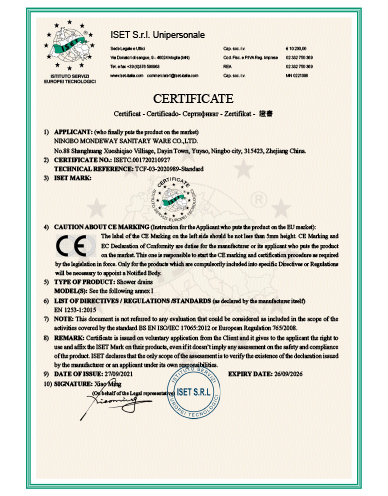
Performance verification typically includes drainage capacity tests, load-bearing checks for grates, and corrosion resistance evaluations. Standards such as EN 1253 define test methods for floor and shower drains used in buildings.
For procurement teams, requesting confirmation that products are evaluated against recognized testing frameworks helps separate visually appealing options from those engineered for long-term reliability in wet environments.
What common specification mistakes lead to drainage complaints?
Complaints often trace back to undersized outlets, insufficient slope planning, or selecting a drain without considering actual shower flow rates. In some cases, aesthetic preferences override practical constraints.
These issues rarely appear during initial installation but emerge after repeated use, reinforcing why linear drain selection should be treated as a system decision rather than a decorative choice.
How should buyers approach comparison and final selection?
A structured comparison should weigh flow performance, outlet configuration, material durability, and maintenance access together, not in isolation. Documentation such as product data sheets and installation guides supports objective evaluation.
When uncertainty remains, aligning selection with a comprehensive buyer guide for shower drainage systems helps ensure the chosen linear drain fits the broader project context.
This content is developed based on material performance analysis, standardized drainage testing references such as EN 1253 and ASTM methods, and real-world bathroom environments characterized by high humidity, frequent water exposure, and regular cleaning cycles. Product specifications and evaluation approaches discussed here reflect common engineering practices used to assess linear drain reliability in residential and commercial shower installations.
No.88 Shanghuang Xueshiqiao Villiage, Dayin Town, Yuyao, Ningbo city